Fibre, Data Prices and Connectivity in South Africa
South African home internet has two layers that people routinely confuse, and the confusion is expensive.
Network versus ISP
The fibre network operator (FNO) — Openserve, Vumatel, Frogfoot, Octotel, MetroFibre and others — owns the physical fibre to your home. The internet service provider (ISP) sells you the service that runs over it. In most areas the FNO is fixed by whoever trenched your street, but the ISP is a free choice, and switching ISP on the same line is usually a same-week change with no new installation.
That matters because line speed is set by the FNO product while price, support quality and contract terms are set by the ISP — and those vary widely for an identical line.
What to check before signing
- Uncapped versus capped, and whether "uncapped" is shaped or throttled after a threshold.
- Upload speed. Many packages are asymmetric. If you work from home, video-call or back up to cloud storage, upload matters more than the headline download figure.
- Contract term. Month-to-month costs slightly more and is worth it if you may move.
- Installation and router costs, and whether the router is yours at the end of the term.
- Whether your street is actually trenched. Coverage maps show planned areas as well as live ones.
Mobile data
Mobile data remains substantially more expensive per gigabyte than fibre, and prepaid bundles are priced very differently from contract data. Two habits save real money: buy larger bundles rather than small top-ups, since the per-gigabyte rate improves sharply with size, and check the expiry, because unused data on a short-expiry bundle is money discarded.
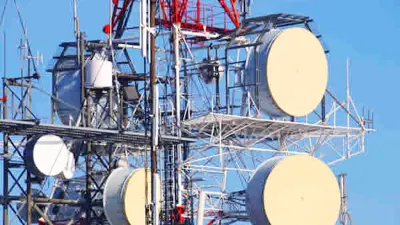
Fixed-wireless LTE and 5G are the practical middle ground where fibre has not arrived. Performance depends heavily on tower distance and congestion, so treat advertised speeds as a ceiling rather than an expectation.
The regulator
ICASA licenses operators, manages spectrum and regulates the sector. Spectrum availability is the underlying reason mobile data pricing changes at all — releasing more spectrum lowers the cost of carrying traffic, and the pricing effects follow the auctions by a year or more.
Common questions
What is the difference between an FNO and an ISP?
The fibre network operator — Openserve, Vumatel, Frogfoot, Octotel and others — owns the physical fibre to your home and is fixed by whoever trenched your street. The internet service provider sells you the service running over it, and that is a free choice you can change.
Can I change ISP without a new installation?
Usually yes. On the same line it is typically a same-week switch with no new installation, because the line belongs to the network operator rather than the ISP. Price, support quality and contract terms vary widely for an identical line.
Why is my upload speed so much slower than my download?
Most home packages are asymmetric by design. If you work from home, take video calls or back up to cloud storage, upload speed matters more than the headline download figure — check it before signing.
Is fibre cheaper than mobile data?
Substantially, per gigabyte. Where fibre has not arrived, fixed-wireless LTE or 5G is the practical middle ground, though performance depends heavily on tower distance and congestion, so treat advertised speeds as a ceiling.
Why does spectrum keep coming up in the news?
Because spectrum availability is the underlying reason mobile data pricing changes at all. ICASA licenses and auctions it; releasing more lowers the cost of carrying traffic, and the pricing effects follow the auctions by a year or more.
Live coverage
Below, the latest technology, telecoms and connectivity headlines from South African and international sources.